Istanbul, Türkiye — International Patients Welcome
Facelift in Turkey
Personalised Facelift & Facial Rejuvenation Treatment Planning in Istanbul
Connect with the professional medical team through Meditourco for personalised assessment, treatment planning and international patient coordination.
- International Patient Support
- Personalised Surgeon Review
- Treatment & Travel Coordination
No obligation. Surgical suitability and treatment recommendations require individual assessment by a qualified surgeon.

Facelift in Turkey: Overview
A facelift, also known as rhytidectomy, is a surgical procedure designed to address visible signs of facial ageing such as sagging skin, deep folds and loss of facial contour. It typically involves repositioning underlying facial tissue and removing excess skin, with technique and extent tailored to each patient.
Why Patients Consider Facelift in Turkey
International patients consider Turkey, and Istanbul in particular, for facelift surgery for a range of reasons, including access to surgeons experienced in facial rejuvenation procedures, dedicated patient coordination services, and international flight connections from Europe, North America, the Middle East and beyond. As with any destination, patients are encouraged to evaluate individual surgeon experience and ask questions before deciding to proceed.
Meet Your Medical Team
Meet members of the AKM Clinic medical team involved in aesthetic treatment assessment and care for this campaign. Credentials below are taken directly from AKM Clinic's own published profiles.

Dr. Göknil Gültekin
Otorhinolaryngologist & Facial Plastic Surgeon
Clinical Focus
- Facelift, neck lift and facial plastic surgery
- Rhinoplasty (primary and revision), deep plane and endoscopic facelift, brow lift, lip lift, blepharoplasty and facial cosmetic injections
Credentials
- MD, Istanbul University Cerrahpaşa Medical Faculty, English Program (2011–2017)
- Fellow Medical Student, Harvard Medical School / Massachusetts Eye and Ear Infirmary (2013–2014)
- Residency in Otolaryngology, Head & Neck Surgery, Başkent University School of Medicine (2018–2023)
- European Board Certified Otolaryngologist (EBE ORL-HNS)
- Fellow, European Academy of Facial Plastic Surgery (EAFPS)
- Member, Turkish Facial Plastic Surgery Society
- Member, Confederation of European Otorhinolaryngology – Head and Neck Surgery
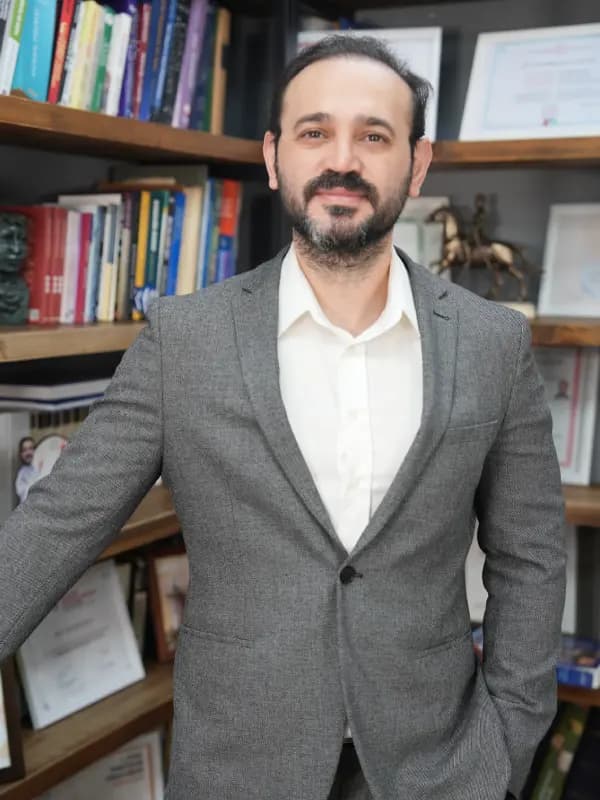
Dr. Akif Mehmetoğlu
Founder, AKM Clinic — Dermatocosmetic Surgery
Clinical Focus
- Facial rejuvenation, with particular focus on the Deep Plane Facelift technique
Credentials
- MD, Istanbul University Istanbul Faculty of Medicine (2006–2012)
- Residency in Dermatology and Venereal Diseases, Istanbul University Istanbul Faculty of Medicine (2012–2016)
- Founded AKM Clinic in 2013
- Member, Turkish Society of Dermatology
- Member, European Academy of Dermatology and Venereology (EADV)
- Member, International Master Course on Aging Science (IMCAS)
Final surgeon selection and treatment suitability depend on individual medical assessment and availability.
Featured Provider for This Campaign
AKM Clinic — Istanbul, Türkiye
For this facelift campaign, Meditourco coordinates selected patient enquiries with AKM Clinic in Istanbul. Meditourco is an independent international patient coordination platform — we do not own or operate AKM Clinic, and not every Meditourco patient is treated there. Treatment is delivered by AKM Clinic's own medical team, and final suitability is confirmed after individual medical assessment.
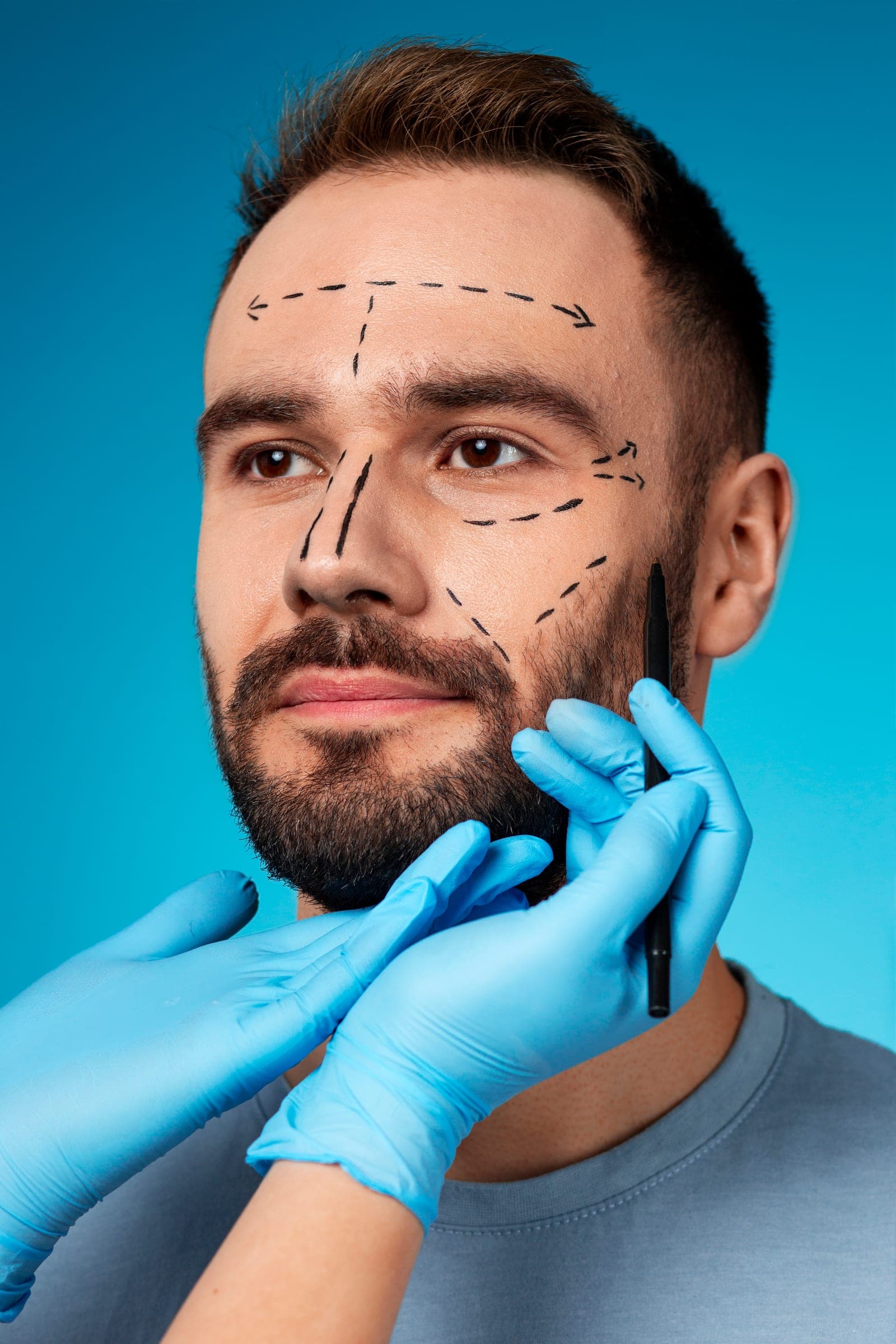
Your Facelift Consultation
During consultation, your surgeon reviews your facial anatomy and goals to plan an individual approach — this image is an illustrative representation of treatment planning, not an actual patient or procedure.
Types of Facelift Procedures
"Facelift" covers a family of related techniques. Your surgeon will recommend an approach based on your facial anatomy, degree of laxity and aesthetic goals.
- Traditional Facelift — repositions skin and underlying tissue to reduce sagging across the mid and lower face.
- Deep Plane Facelift — releases and repositions a deeper tissue layer as a single unit, often discussed for more natural movement in suitable candidates.
- SMAS Facelift — tightens the superficial musculoaponeurotic system (SMAS) layer beneath the skin, a widely used and long-established technique.
- Mini Facelift — a more limited procedure targeting early signs of ageing, generally with shorter incisions and recovery.
- Face & Neck Lift — combines facelift surgery with neck lift technique in a single planned procedure.
- Neck Lift — addresses laxity and banding specifically in the neck, and can be performed alone or with a facelift.
Facelift Procedure Comparison
| Procedure | Typical Area | General Technique | Best Discussed For | Recovery Considerations |
|---|---|---|---|---|
| Traditional Facelift | Mid and lower face | Repositions skin and underlying tissue | Moderate-to-visible facial sagging | Varies; surgeon reviews progress at follow-up |
| Deep Plane Facelift | Mid face, jawline | Repositions a deeper tissue layer as one unit | Patients whose anatomy suits deeper repositioning | Discussed individually with your surgeon |
| SMAS Facelift | Mid and lower face | Tightens the SMAS layer beneath the skin | A widely used, well-established approach | Varies by extent of the procedure |
| Mini Facelift | Lower face | More limited lifting, shorter incisions | Earlier signs of facial ageing | Often shorter, but still individual |
| Face & Neck Lift | Face and neck combined | Combines facelift with neck lift technique | Concerns in both the face and neck | Typically longer given combined scope |
| Neck Lift | Neck only | Addresses neck laxity and banding | Neck-focused concerns with limited facial ageing | Discussed individually with your surgeon |
Traditional Facelift
- Typical Area
- Mid and lower face
- General Technique
- Repositions skin and underlying tissue
- Best Discussed For
- Moderate-to-visible facial sagging
- Recovery Considerations
- Varies; surgeon reviews progress at follow-up
Deep Plane Facelift
- Typical Area
- Mid face, jawline
- General Technique
- Repositions a deeper tissue layer as one unit
- Best Discussed For
- Patients whose anatomy suits deeper repositioning
- Recovery Considerations
- Discussed individually with your surgeon
SMAS Facelift
- Typical Area
- Mid and lower face
- General Technique
- Tightens the SMAS layer beneath the skin
- Best Discussed For
- A widely used, well-established approach
- Recovery Considerations
- Varies by extent of the procedure
Mini Facelift
- Typical Area
- Lower face
- General Technique
- More limited lifting, shorter incisions
- Best Discussed For
- Earlier signs of facial ageing
- Recovery Considerations
- Often shorter, but still individual
Face & Neck Lift
- Typical Area
- Face and neck combined
- General Technique
- Combines facelift with neck lift technique
- Best Discussed For
- Concerns in both the face and neck
- Recovery Considerations
- Typically longer given combined scope
Neck Lift
- Typical Area
- Neck only
- General Technique
- Addresses neck laxity and banding
- Best Discussed For
- Neck-focused concerns with limited facial ageing
- Recovery Considerations
- Discussed individually with your surgeon
Understanding Facial Tissue Layers
Conceptual Facial Layers
Facelift techniques differ mainly in which tissue layer they address. This is a simplified, educational illustration — not a clinical or surgical depiction.
- Skin
- The outer surface layer. Skin quality and elasticity are part of what a surgeon evaluates during assessment.
- Subcutaneous Tissue
- A fatty layer beneath the skin that contributes to facial volume and contour.
- SMAS
- The superficial musculoaponeurotic system — a fibrous and muscular layer that many facelift techniques reposition or tighten.
- Deep Plane
- A deeper tissue plane including facial ligaments, addressed specifically in deep plane facelift technique.
Deep Plane Facelift in Turkey
The deep plane facelift is an advanced technique that repositions the SMAS layer, deeper facial ligaments and skin together as one unit, rather than tightening the skin surface alone. Potential advantages discussed for this technique include more natural-looking movement and longer-lasting repositioning of deeper tissue in appropriately selected patients. Whether it is right for you depends on your individual anatomy, determined during surgeon assessment.
Facelift vs Deep Plane Facelift
| Aspect | Traditional / SMAS Facelift | Deep Plane Facelift |
|---|---|---|
| Tissue Plane | Works primarily at the SMAS layer | Releases and repositions a deeper composite layer |
| Typical Areas Addressed | Mid and lower face | Mid face and jawline, often including deeper ligaments |
| Technique Complexity | Well-established, widely practised | Requires specific surgeon training and experience |
| Recovery | Varies by individual and extent of surgery | Varies by individual; discussed with your surgeon |
| Suitability | Assessed individually by your surgeon | Assessed individually; not appropriate for every patient |
Tissue Plane
- Traditional / SMAS Facelift
- Works primarily at the SMAS layer
- Deep Plane Facelift
- Releases and repositions a deeper composite layer
Typical Areas Addressed
- Traditional / SMAS Facelift
- Mid and lower face
- Deep Plane Facelift
- Mid face and jawline, often including deeper ligaments
Technique Complexity
- Traditional / SMAS Facelift
- Well-established, widely practised
- Deep Plane Facelift
- Requires specific surgeon training and experience
Recovery
- Traditional / SMAS Facelift
- Varies by individual and extent of surgery
- Deep Plane Facelift
- Varies by individual; discussed with your surgeon
Suitability
- Traditional / SMAS Facelift
- Assessed individually by your surgeon
- Deep Plane Facelift
- Assessed individually; not appropriate for every patient
Neither approach is universally "better" — suitability depends on individual anatomy and goals, assessed by your surgeon.
Face and Neck Lift
Many patients who are concerned about both facial sagging and neck laxity consider a combined face and neck lift, addressing the lower face and neck together where a surgeon confirms it is appropriate. A neck lift alone may also be recommended where neck laxity is the primary concern.
Who May Consider a Facelift?
Facial ageing and suitability for treatment are assessed individually for every patient — this image illustrates the concept of facial assessment and is not an actual Meditourco patient.
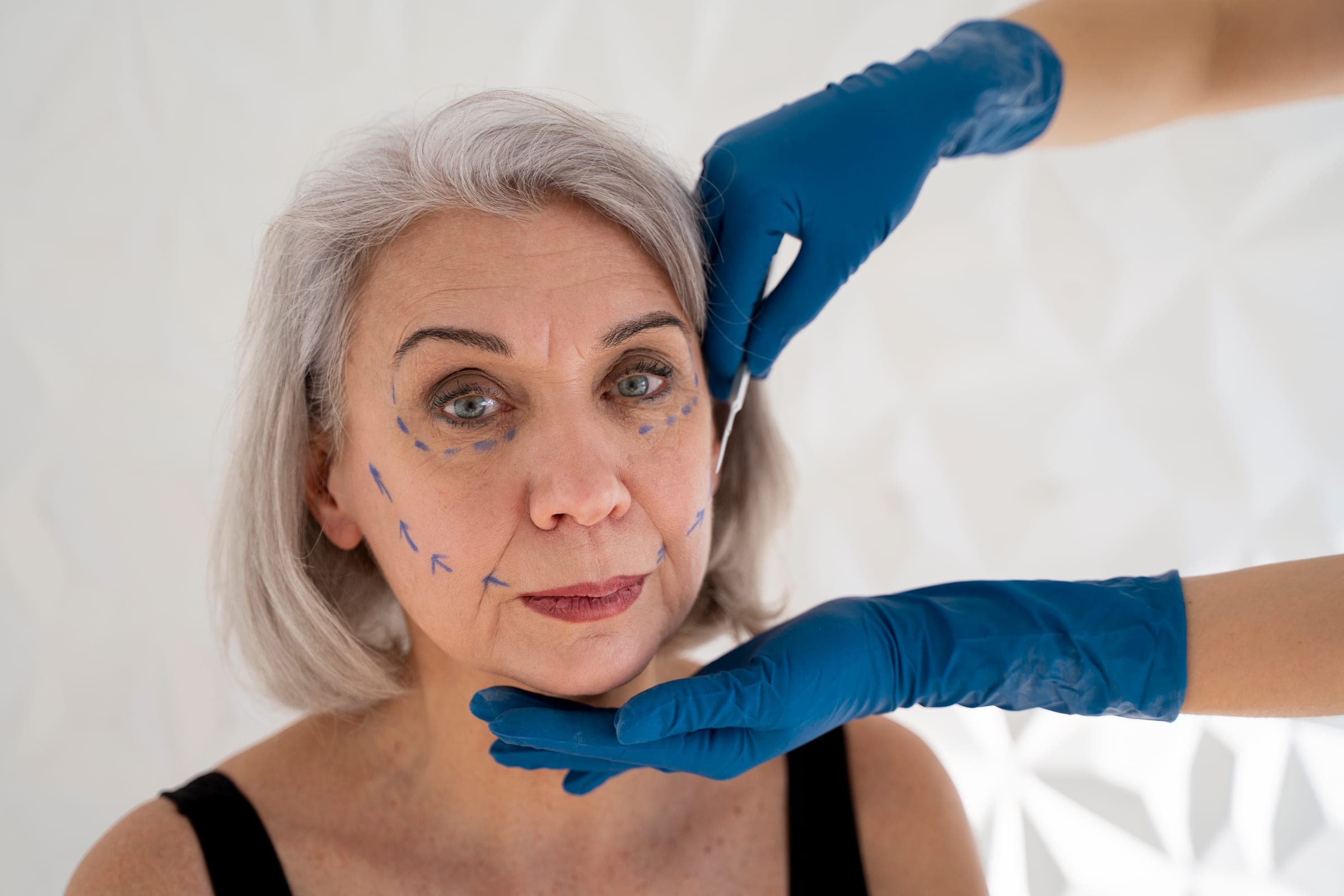
Who May Be Suitable?
Facelift surgery may be considered by adults in good general health who are experiencing visible facial or neck sagging. Suitability depends on overall health, skin quality, realistic expectations and relevant medical history — not on age or appearance alone. A surgeon confirms suitability following individual assessment, which typically includes a review of your medical history, goals and a physical or photographic assessment.
Facelift Procedure
While specifics vary by technique and surgeon, a facelift generally involves incisions planned along the hairline and around the ear, repositioning of underlying tissue, removal of excess skin, and closure of incisions.
Anaesthesia
Facelift surgery is generally performed under general anaesthesia or deep sedation with local anaesthesia, depending on the extent of surgery. Suitability for a given approach is assessed individually.
How Long Does Surgery Take?
Duration varies by technique and whether additional procedures are combined, generally ranging from around two to five hours. Your surgeon can confirm a specific estimate.
Hospital Stay
Some patients are monitored overnight following surgery, while others may be discharged the same day, depending on the surgeon's protocol and individual recovery.
How Long Should International Patients Stay in Istanbul?
As general guidance, many patients plan for approximately 7 to 10 days in Istanbul, covering assessment, surgery, initial recovery and a follow-up check before flying home. Your surgeon determines the appropriate length of stay.
Facelift Recovery Timeline
Recovery varies between individuals. The table below gives a general sense of what many patients experience — educational guidance only, not a guarantee of your individual recovery.
Example Recovery Timeline
| Period | What Patients May Experience | Typical Activities | Important Notes |
|---|---|---|---|
| First 48 Hours | Swelling, bruising, tightness, some discomfort | Rest, limited movement, monitoring by care team | Pain is generally managed with prescribed medication |
| Days 3–7 | Peak swelling often begins to ease | Light movement at home; dressings may be adjusted | Follow-up check is typically scheduled in this window |
| Weeks 2–3 | Bruising largely resolved for many patients | Some patients resume light, non-strenuous routines | Return-to-activity timing is confirmed by your surgeon |
| Weeks 4–6 | Residual swelling continues to reduce | Gradual return to most normal activities | Some subtle changes may still be settling |
| Following Months | Final results continue to refine | Normal routine, ongoing self-care as advised | Recovery pace varies significantly between individuals |
First 48 Hours
- What Patients May Experience
- Swelling, bruising, tightness, some discomfort
- Typical Activities
- Rest, limited movement, monitoring by care team
- Important Notes
- Pain is generally managed with prescribed medication
Days 3–7
- What Patients May Experience
- Peak swelling often begins to ease
- Typical Activities
- Light movement at home; dressings may be adjusted
- Important Notes
- Follow-up check is typically scheduled in this window
Weeks 2–3
- What Patients May Experience
- Bruising largely resolved for many patients
- Typical Activities
- Some patients resume light, non-strenuous routines
- Important Notes
- Return-to-activity timing is confirmed by your surgeon
Weeks 4–6
- What Patients May Experience
- Residual swelling continues to reduce
- Typical Activities
- Gradual return to most normal activities
- Important Notes
- Some subtle changes may still be settling
Following Months
- What Patients May Experience
- Final results continue to refine
- Typical Activities
- Normal routine, ongoing self-care as advised
- Important Notes
- Recovery pace varies significantly between individuals
Facelift Scars
Incisions are typically planned along the natural hairline and around the ear to help them become inconspicuous as they heal. Final scar appearance depends on individual healing, skin type, technique and aftercare.
Facelift Results
Results aim to create a more refreshed facial appearance by addressing sagging skin and tissue laxity, and vary between individuals. We do not promise a specific outcome or duration of results — your surgeon can discuss realistic expectations during consultation.
Facelift Risks and Considerations
Facelift surgery is a real surgical procedure and, like any surgery, carries potential risks. It is important to understand these before deciding to proceed.
As with any surgical procedure, possible risks and complications can include:
- Bleeding
- Infection
- Scarring
- Nerve injury
- Sensory changes
- Asymmetry
- Hairline changes
- Anaesthesia complications
- Delayed healing
- Possible revision surgery
This list is not exhaustive. A qualified surgeon will discuss your individual risk profile, based on your health history, during consultation.
Facelift Cost in Turkey
We do not publish a fixed facelift price because cost depends on multiple individual factors, shown below. To receive an accurate estimate for your case, request a personalised quote.
What May Affect Facelift Cost
| Cost Factor | Why It Matters |
|---|---|
| Surgeon | Experience and technique specialisation vary between surgeons. |
| Technique | Deep plane, SMAS and mini facelift approaches differ in complexity and time. |
| Hospital | Facility fees vary by hospital and level of care. |
| Anaesthesia | Type of anaesthesia and anaesthesiologist fees affect overall cost. |
| Hospital Stay | Overnight monitoring versus same-day discharge affects cost. |
| Combined Procedures | Adding neck lift, blepharoplasty or other procedures increases scope. |
| Accommodation | Hotel category and length of stay if included in your package. |
| Transfers | Airport and hospital transfer arrangements, where included. |
| Pre-operative Tests | Required medical tests and screening prior to surgery. |
Surgeon
- Why It Matters
- Experience and technique specialisation vary between surgeons.
Technique
- Why It Matters
- Deep plane, SMAS and mini facelift approaches differ in complexity and time.
Hospital
- Why It Matters
- Facility fees vary by hospital and level of care.
Anaesthesia
- Why It Matters
- Type of anaesthesia and anaesthesiologist fees affect overall cost.
Hospital Stay
- Why It Matters
- Overnight monitoring versus same-day discharge affects cost.
Combined Procedures
- Why It Matters
- Adding neck lift, blepharoplasty or other procedures increases scope.
Accommodation
- Why It Matters
- Hotel category and length of stay if included in your package.
Transfers
- Why It Matters
- Airport and hospital transfer arrangements, where included.
Pre-operative Tests
- Why It Matters
- Required medical tests and screening prior to surgery.
Ready to understand your options and cost?
Request a Personalised QuoteWhat Can a Treatment Package Include?
Depending on the individual offer provided to you, a facelift treatment package may include some or all of the following. Exact inclusions always depend on your specific proposal.
- Surgeon assessment and consultation
- Hospital fees and anaesthesia
- Required medical tests
- Post-operative medication
- Hotel accommodation and airport transfer
- Interpreter support
- Follow-up care coordination
Meditourco coordinates communication between you and your treatment provider, along with travel logistics where available. Meditourco is not a hospital and does not perform surgery — treatment is delivered by independent, qualified healthcare providers.
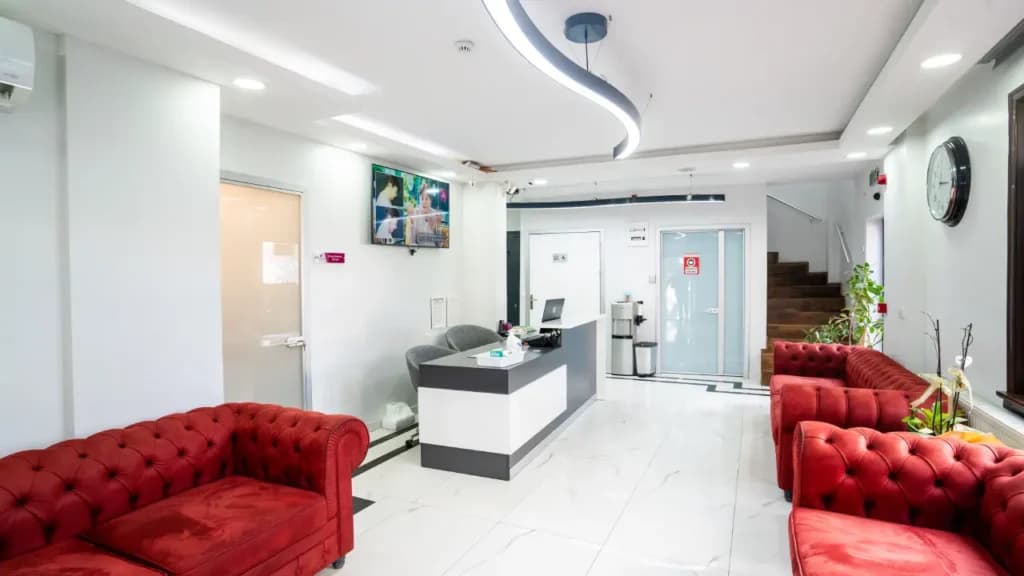
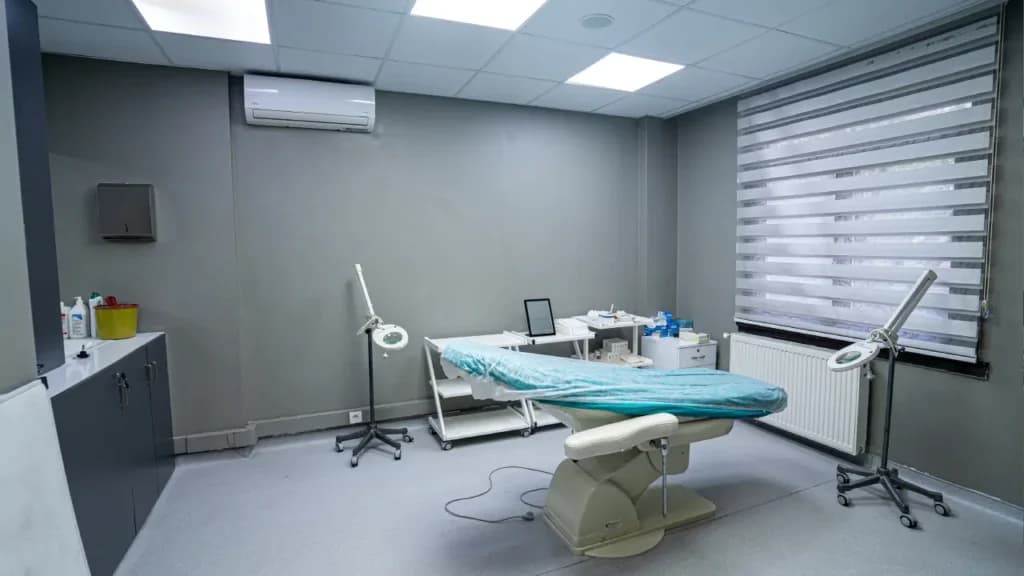
AKM Clinic: Your Treatment Environment in Istanbul
A look at the AKM Clinic facility in Istanbul where assessments and treatment for this campaign take place.



Choosing a Surgeon
Choosing a facelift surgeon is one of the most important decisions in this process. Regardless of destination, consider checking specialist qualification, relevant surgical experience, the hospital where surgery is performed, the thoroughness of the consultation process, and clarity of the aftercare plan. We do not claim to offer "the best facelift surgeon in Turkey" — our role is to help connect you with a surgeon in our network suited to your case.
International Patient Journey
Meditourco coordinates facelift enquiries from patients worldwide, not only from any single country. Wherever you are travelling from, the process is broadly the same:
- 1Enquiry
- 2Medical documents
- 3Surgeon review
- 4Video/online consultation where available
- 5Treatment proposal
- 6Travel
- 7Pre-operative assessment
- 8Surgery
- 9Post-operative checks
- 10Return home
- 11Follow-up
Notes for Patients Travelling from the UK
UK-based patients often begin with a remote or video consultation before committing to travel. Istanbul is served by direct flights of roughly four hours from most major UK airports. We do not make claims about NHS referral pathways or funding — this concerns self-funded treatment.
Notes for Patients Travelling from the US
US-based patients face a longer journey, so remote assessment ahead of travel can help you understand your options first. It is worth planning buffer time around travel dates for the long-haul flight, particularly before the return journey.
Facelift in Turkey: Frequently Asked Questions
How much does a facelift cost in Turkey?
Facelift cost in Turkey depends on factors such as the technique used, whether the procedure is combined with a neck lift or other treatment, the surgeon, hospital, anaesthesia and accommodation arrangements. We do not publish a fixed price because every case is different — request a personalised quote after sharing your details.
Why do international patients travel to Turkey for facelift surgery?
International patients consider Turkey for facelift surgery for reasons that often include access to surgeons experienced in facial rejuvenation procedures, dedicated international patient coordination, and convenient international flight connections to Istanbul. As with any destination, we encourage patients to evaluate individual surgeon experience and ask questions before deciding to proceed.
What is a deep plane facelift?
A deep plane facelift is a technique that repositions deeper facial tissue layers rather than only tightening the skin surface. It is generally discussed for more natural-looking movement and longer-lasting repositioning of deeper tissue in appropriately selected patients, but whether it is right for you depends on an individual assessment by a qualified surgeon.
How long should I stay in Istanbul after a facelift?
As general guidance, many international facelift patients plan for roughly 7 to 10 days in Istanbul, covering pre-operative assessment, surgery, initial recovery and a follow-up check before flying home. Your surgeon confirms the appropriate length of stay based on your procedure and recovery.
How long is facelift recovery?
Initial swelling and bruising typically improve over the first two to three weeks, with many patients feeling comfortable returning to non-strenuous routines within a few weeks. Final results can continue to settle over several months. Recovery varies by individual, technique and whether procedures were combined.
Can facelift and neck lift be performed together?
Yes, a facelift is frequently combined with a neck lift as a face and neck lift when a surgeon determines this is appropriate for your anatomy and goals. This is assessed case by case during consultation.
How do I choose a facelift surgeon in Turkey?
Consider checking specialist qualification, relevant surgical experience with facelift procedures, the hospital where surgery is performed, the thoroughness of the consultation process, and whether the aftercare plan is clearly explained. We do not claim to offer "the best surgeon" — our role is to help connect you with a surgeon in our network suited to your case and to support you in asking the right questions.
What should I ask during my facelift consultation?
Useful questions include: which technique is recommended for my anatomy and why, what results are realistic for my case, what the recovery timeline typically looks like, what risks apply to me specifically, and what aftercare and follow-up is included. A thorough surgeon will welcome these questions.
What is included in a medical travel treatment plan?
Depending on the individual offer provided to you, a treatment plan may include surgeon assessment, hospital fees, anaesthesia, required medical tests, medication, hotel accommodation, airport transfer, interpreter support and follow-up care. Exact inclusions always depend on your specific proposal and should be confirmed in writing before you travel.
How do I start the assessment process?
Complete the assessment form on this page or contact our patient coordination team via WhatsApp or email. You will be asked for basic details so your case can be reviewed; no obligation is created by submitting an enquiry.
Will I have visible scars after a facelift?
Facelift incisions are typically planned along the hairline and around the ear to help them remain as inconspicuous as possible once healed. Scarring varies by individual healing, technique and aftercare.
When can I fly home after facelift surgery?
Flight timing is determined by your surgeon based on your individual recovery and the post-operative checks required. General guidance suggests allowing time in Istanbul for at least one follow-up review before travelling, confirmed case by case.
What are the risks of facelift surgery?
As with any surgical procedure, facelift surgery carries potential risks including bleeding, infection, scarring, nerve injury, temporary or permanent sensory changes, asymmetry, hairline changes, anaesthesia-related complications, delayed healing and the possibility of revision surgery. A qualified surgeon reviews your individual risk profile during consultation.
Ready to explore facelift options in Istanbul?
No obligation. Suitability and technique are confirmed by a qualified surgeon after individual assessment.
Prefer email? Our international patient team is reachable at international@meditourco.net
This information is general and educational. It is not medical diagnosis or individual medical advice. Treatment decisions must be made by qualified healthcare professionals following individual assessment.
Meditourco coordinates treatment and travel; surgery is performed by independent, qualified healthcare providers.